

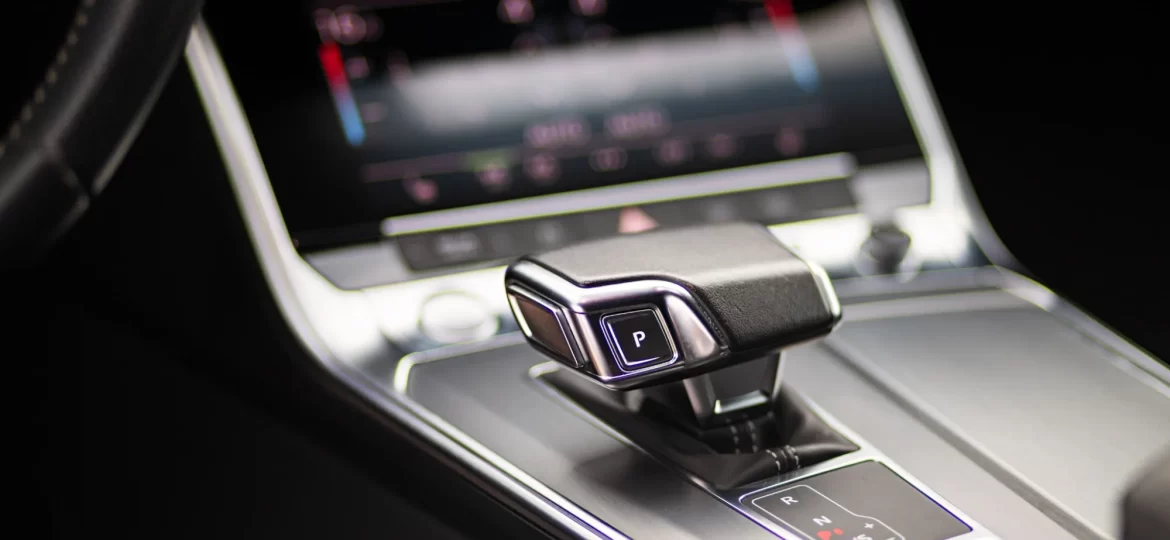
You’re cruising down the highway in your Audi, enjoying that signature smooth shift, when suddenly something feels… off.
Maybe it’s a slight hesitation between gears. A whine that wasn’t there yesterday. Or a jolt that makes you grip the wheel a little tighter.
Your gearbox is trying to tell you something, and ignoring it could turn a manageable repair into a wallet-draining rebuild. The thing is, Audi gearboxes are sophisticated pieces of engineering. When they start showing symptoms, it’s rarely a false alarm.
This guide walks you through the warning signs every Audi owner in Malaysia should recognise, what they mean, and when to act before you’re stranded on the side of the Federal Highway.
Key Takeaways
- Delayed shifts, harsh engagement and slipping gears are early red flags that your Audi’s gearbox needs professional attention before damage escalates.
- Strange noises like whining, clunking or grinding often signal internal wear, low fluid or component failure that requires immediate diagnosis.
- Burning smells, dashboard warning lights and fluid leaks indicate serious gearbox stress that should never be ignored or delayed.
- Malaysia’s heat and stop-start traffic accelerate gearbox wear, making regular servicing and early intervention critical for Audi owners.
That Hesitation Between Gears Isn’t Normal
You press the accelerator and… nothing. Then a second later, the car lurches forward.
Delayed engagement is one of the earliest signs your Audi gearbox is struggling. It’s especially noticeable when shifting from park to drive or reverse, or when accelerating from a standstill.
This hesitation usually points to low transmission fluid, worn clutch packs in the DSG (Direct Shift Gearbox), or failing solenoids that control gear changes. In Malaysia’s humid climate, moisture can also contaminate the fluid, reducing its ability to lubricate and cool the system properly.
If you’re experiencing delays longer than a second or two, don’t brush it off as a quirk. Early diagnosis from a specialist Audi workshop can prevent internal damage that turns a fluid service into a full gearbox overhaul.

When Your Audi Starts Talking Back
Gearboxes should be felt, not heard. So when yours starts making noise, pay attention to what it’s telling you.
Whining or Humming During Acceleration
This often indicates bearing wear or insufficient lubrication.
Clunking When You Shift Gears
This suggests worn mounts, damaged synchronisers or loose internal components.
Grinding Noises
Grinding is particularly concerning. It typically means metal-on-metal contact, which happens when clutch plates are worn down or when the dual-clutch mechanism in DSG gearboxes starts to fail.
In stop-start Kuala Lumpur traffic, these components work overtime. The constant friction generates heat, and if your transmission fluid hasn’t been serviced regularly, those parts wear faster than they would on smooth European motorways.
Any persistent or worsening noise warrants immediate inspection by specialists who understand Audi-specific gearbox behaviour.
Slipping Gears Means You’re Losing Control
You’re accelerating smoothly when the engine revs climb but the car doesn’t speed up proportionally, or the gearbox “hunts” between ratios, unable to settle. This is gear slippage, and it’s dangerous because it affects your ability to control the vehicle predictably.
Slipping usually points to worn clutch plates, degraded transmission fluid that can’t hold hydraulic pressure, or electronic control unit (ECU) faults misreading engine load and speed data.
In Audi models with S tronic or multitronic gearboxes, slipping can also stem from software adaptation issues, since the gearbox learns your driving style over time and mismatches appear once components wear unevenly.
Don’t wait for slipping to become constant. The longer it persists, the more damage occurs to friction surfaces that are costly to replace.
That Burning Smell Isn’t Coming From Outside
You catch a whiff of something acrid, almost like burnt toast or overheated electronics. If it’s coming from your Audi, it’s likely your transmission fluid cooking itself.
Transmission fluid handles lubrication, cooling and hydraulic pressure. When it overheats, it loses viscosity and starts to burn, releasing that distinctive smell.
Overheating happens when the gearbox works too hard without adequate cooling. In Malaysian traffic, where you’re constantly creeping forward in 30-degree heat, the transmission cooler can struggle to keep up.
Low fluid levels, clogged filters or a failing cooler can all trigger this. Once the fluid burns, it forms deposits that clog passages and accelerate wear throughout the system.
If you smell burning, pull over safely and arrange for specialist inspection. Continuing to drive risks catastrophic gearbox failure.

Warning Lights That Actually Mean Something
Modern Audis track hundreds of parameters in real time, so when your dashboard lights up with a gearbox warning, it’s not being dramatic.
The transmission warning light, usually a gear icon with an exclamation mark, means the ECU has detected a fault, ranging from sensor malfunctions to serious mechanical issues. Some owners also see the “EPC” (Electronic Power Control) light alongside gearbox symptoms, suggesting the engine management system has detected a problem affecting drivetrain performance.
Don’t rely on generic OBD scanners here. Audi-specific diagnostic equipment reads manufacturer fault codes that reveal exactly which sensors, solenoids or mechanical components are failing.
At German Marque, we use factory-level diagnostic tools that communicate directly with your Audi’s control modules, pinpointing issues generic workshops might miss.
Fluid Leaks You Can’t Afford to Ignore
You spot a reddish-brown puddle under your car after it’s been parked overnight. That’s transmission fluid, and it’s supposed to stay inside your gearbox.
Common Leak Points
These include the transmission pan gasket, output shaft seals, cooler lines and the torque converter seal. Even small leaks matter because transmission systems operate within tight tolerances.
How a Small Leak Becomes a Big Problem
A slow leak might only lose a few millilitres per week, but over months, that’s enough to drop fluid levels below the minimum threshold. Once that happens, the pump can’t maintain proper pressure, lubrication suffers and components start grinding against each other.
Malaysia’s Climate Speeds Up Seal Wear
Temperature fluctuations cause seals to expand and contract repeatedly, accelerating degradation. Rubber components that might last eight years in temperate climates often fail after five or six here.
If you notice any fluid spots under your Audi, have the source identified and sealed before internal damage begins.

Why Malaysian Conditions Make This Worse
Audi gearboxes are engineered for German autobahns and smooth European roads. Owning a continental car here comes with different expectations, and Malaysia’s environment throws its own challenges at them.
Tropical Heat
Our year-round heat means transmission fluid operates at higher temperatures than it was designed for.
Stop-Start Traffic
Stop-start traffic in the Klang Valley puts constant stress on clutch packs and torque converters that were built for flowing motorway cruising.
Humidity and Moisture
Humidity can introduce moisture into sealed systems through breather valves, contaminating fluid and promoting corrosion.
Potholes and Uneven Roads
Potholes and uneven surfaces create shock loads that wear mounts and internal components faster than smooth tarmac ever would.
This isn’t about Audi building inferior gearboxes. It’s about recognising that local conditions require more attentive maintenance schedules than the factory manual might suggest.
Regular fluid changes, proactive inspections and addressing small issues before they compound are essential, since skipping regular servicing often turns minor issues into costly repairs.
When to Stop Googling and Start Calling
Some warning signs need immediate professional attention. If you experience any of the following, arrange for specialist inspection as soon as possible:
- Complete loss of drive in any gear
- Violent shuddering or jerking during gear changes
- Burning smells accompanied by performance loss
- Multiple warning lights illuminated simultaneously
- Visible fluid leaks that worsen over days
For less urgent symptoms like occasional delayed shifts or minor noises, don’t wait until they become constant. Early intervention typically means simpler, more affordable solutions.
Your Trusted Partner for Audi Gearbox Repair in Malaysia
German Marque specialises in Audi gearbox repair in Malaysia, using genuine or OEM parts and manufacturer-specific diagnostic equipment. Our technicians understand the unique stresses Malaysian driving conditions place on these sophisticated transmissions.
We don’t just fix the symptom. We diagnose the root cause, explain your options clearly, and restore your Audi’s gearbox to the smooth, responsive performance you expect.
Your gearbox is talking. The question is whether you’ll listen before it stops talking altogether.
Get in touch with the German Marque team to restore your Audi’s gearbox before a small problem becomes a costly one.